Normal Cholesterol Levels Chart
cholesterol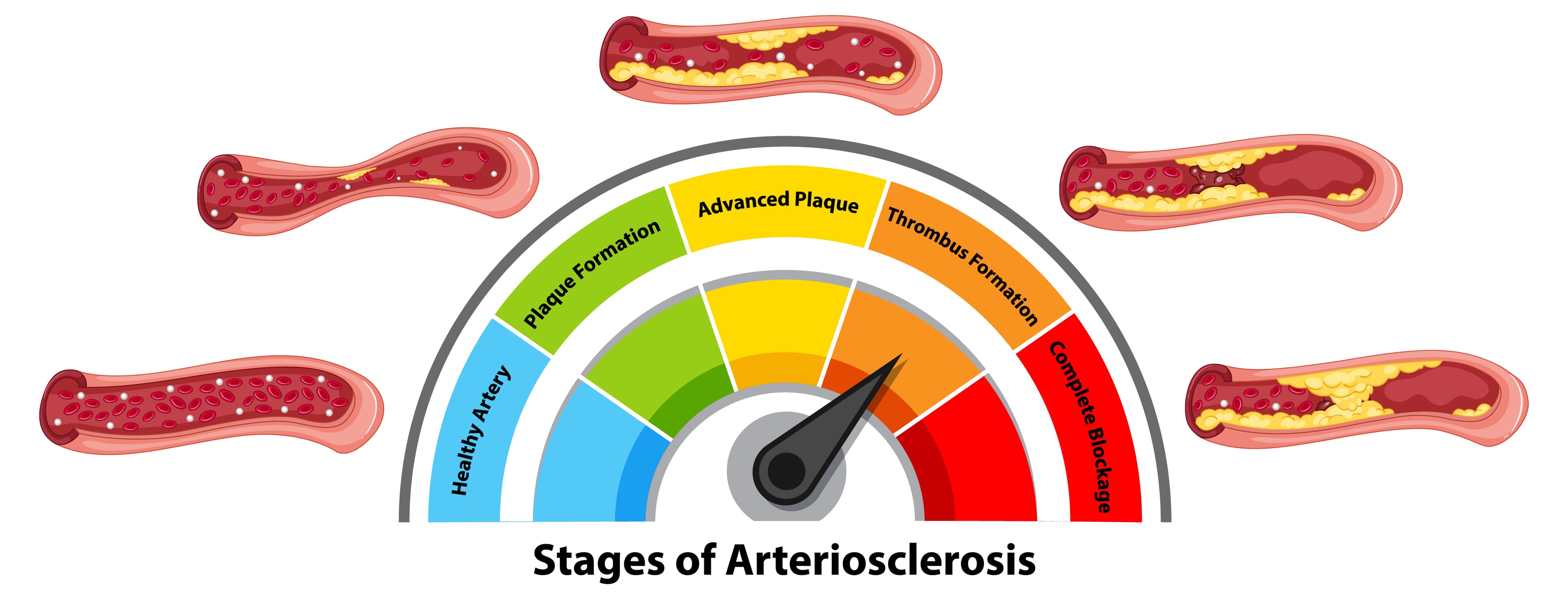
Understand LDL, HDL, and total cholesterol ranges to protect your heart health.
Cholesterol Basics
Cholesterol is a fatty substance found in your blood, essential for building cells and hormones.
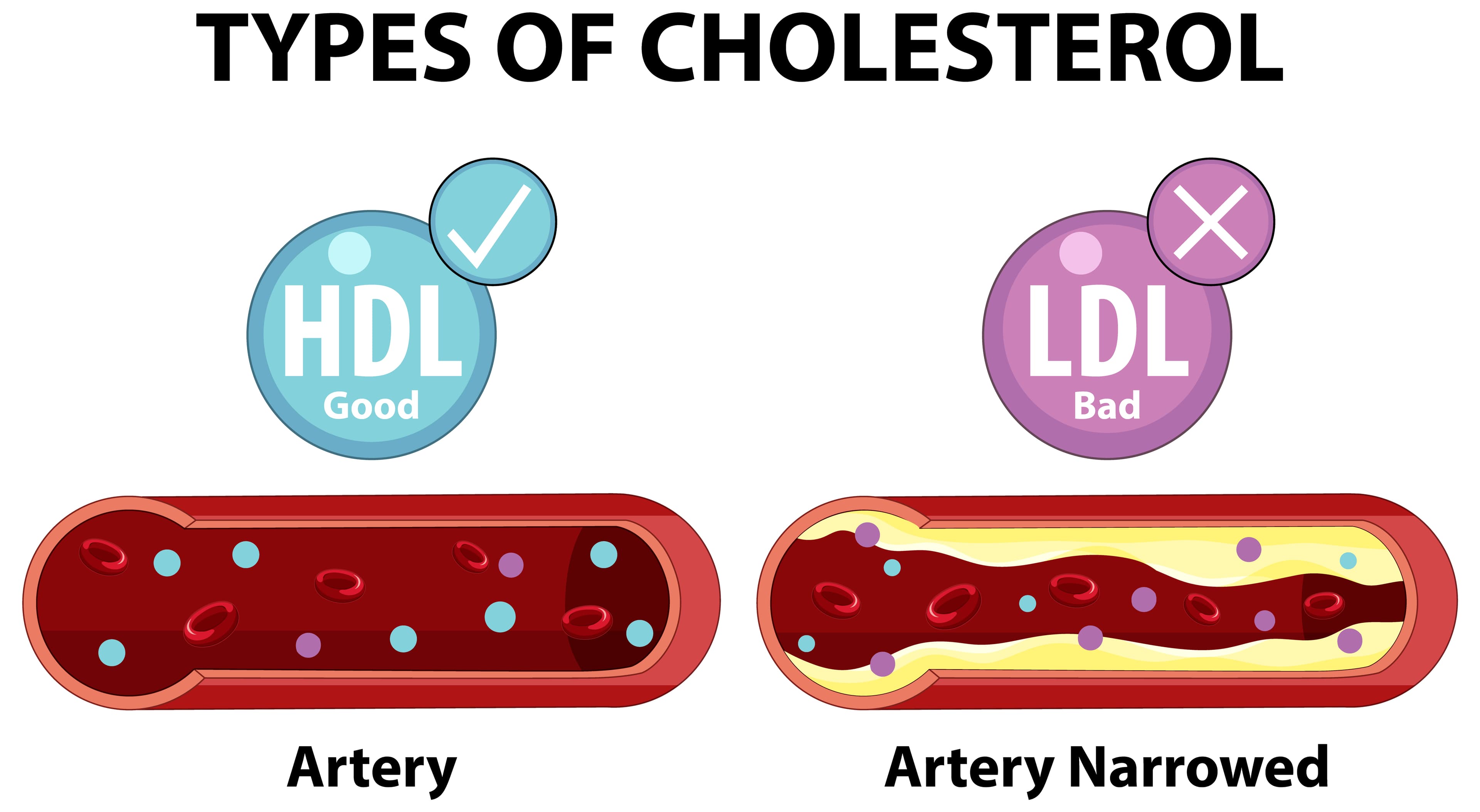
Too much cholesterol — especially LDL — builds up in artery walls and raises the risk of heart disease.
Cholesterol has no symptoms, which is why regular testing is the only reliable way to know your levels.
Understanding your cholesterol numbers helps you and your doctor make informed decisions about diet, lifestyle, and medications.
Normal Cholesterol Reference Ranges
Total cholesterol: Desirable <200 mg/dL; Borderline high 200–239 mg/dL; High ≥240 mg/dL.
LDL (bad) cholesterol: Optimal <100 mg/dL; Near optimal 100–129 mg/dL; Borderline high 130–159 mg/dL; High ≥160 mg/dL.
HDL (good) cholesterol: Low (risk factor) <40 mg/dL in men, <50 mg/dL in women; Protective ≥60 mg/dL.
Triglycerides: Normal <150 mg/dL; Borderline high 150–199 mg/dL; High ≥200 mg/dL.
LDL vs HDL: What's the Difference?
LDL (low-density lipoprotein) carries cholesterol to artery walls and contributes to plaque buildup — hence the label 'bad' cholesterol.
HDL (high-density lipoprotein) transports cholesterol away from arteries back to the liver for removal — making it 'good' cholesterol.
High LDL combined with low HDL significantly raises the risk of heart attack and stroke.
Rather than focusing only on total cholesterol, doctors increasingly look at the LDL-to-HDL ratio for a more accurate cardiovascular risk picture.
Factors That Raise Cholesterol
Diets high in saturated fat and trans fat directly increase LDL cholesterol levels.
Physical inactivity lowers HDL while allowing LDL and triglycerides to rise.
Obesity, especially belly fat, disrupts lipid metabolism and raises total cholesterol.
Genetics play a strong role — familial hypercholesterolemia can cause dangerously high LDL regardless of diet.
How to Lower Cholesterol Naturally
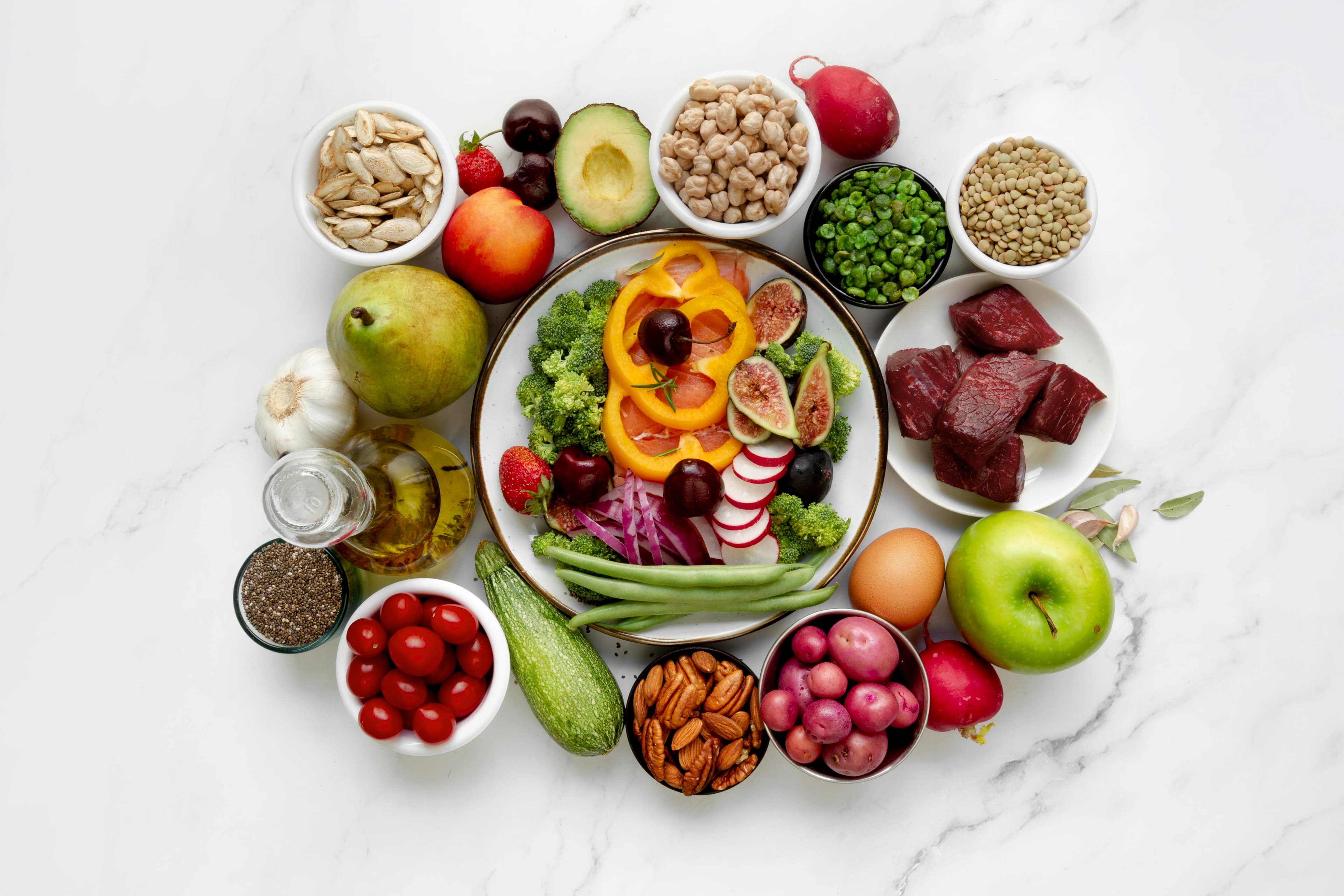
Replace saturated fats (butter, red meat) with unsaturated fats from olive oil, nuts, and avocados.
Add soluble fiber from oats, lentils, and fruits — it binds cholesterol in the gut and reduces absorption.
Exercise for at least 30 minutes most days to raise HDL and lower LDL and triglycerides.
Quit smoking — it damages blood vessels and lowers protective HDL cholesterol.
Frequently Asked Questions
A total cholesterol level below 200 mg/dL is considered desirable. 200–239 mg/dL is borderline high, and 240 mg/dL or above is classified as high and increases cardiovascular risk.
People Also Ask
Is 220 cholesterol bad?
220 mg/dL falls in the borderline high range (200–239 mg/dL). It does not confirm disease but is a signal to review diet, activity, and other risk factors with your doctor.
What happens if cholesterol is too high?
Over time, excess LDL builds up as plaque in artery walls, narrowing them. This raises the risk of chest pain, heart attack, and stroke.
Can drinking water lower cholesterol?
Water alone does not lower cholesterol, but staying well hydrated supports overall metabolism. The biggest dietary levers are reducing saturated fat and increasing soluble fiber.
Does stress raise cholesterol?
Yes. Chronic stress elevates cortisol, which can increase LDL production and lower HDL. Managing stress through sleep, exercise, and relaxation supports healthier lipid levels.