LDL vs HDL Cholesterol — What's the Difference?
cholesterol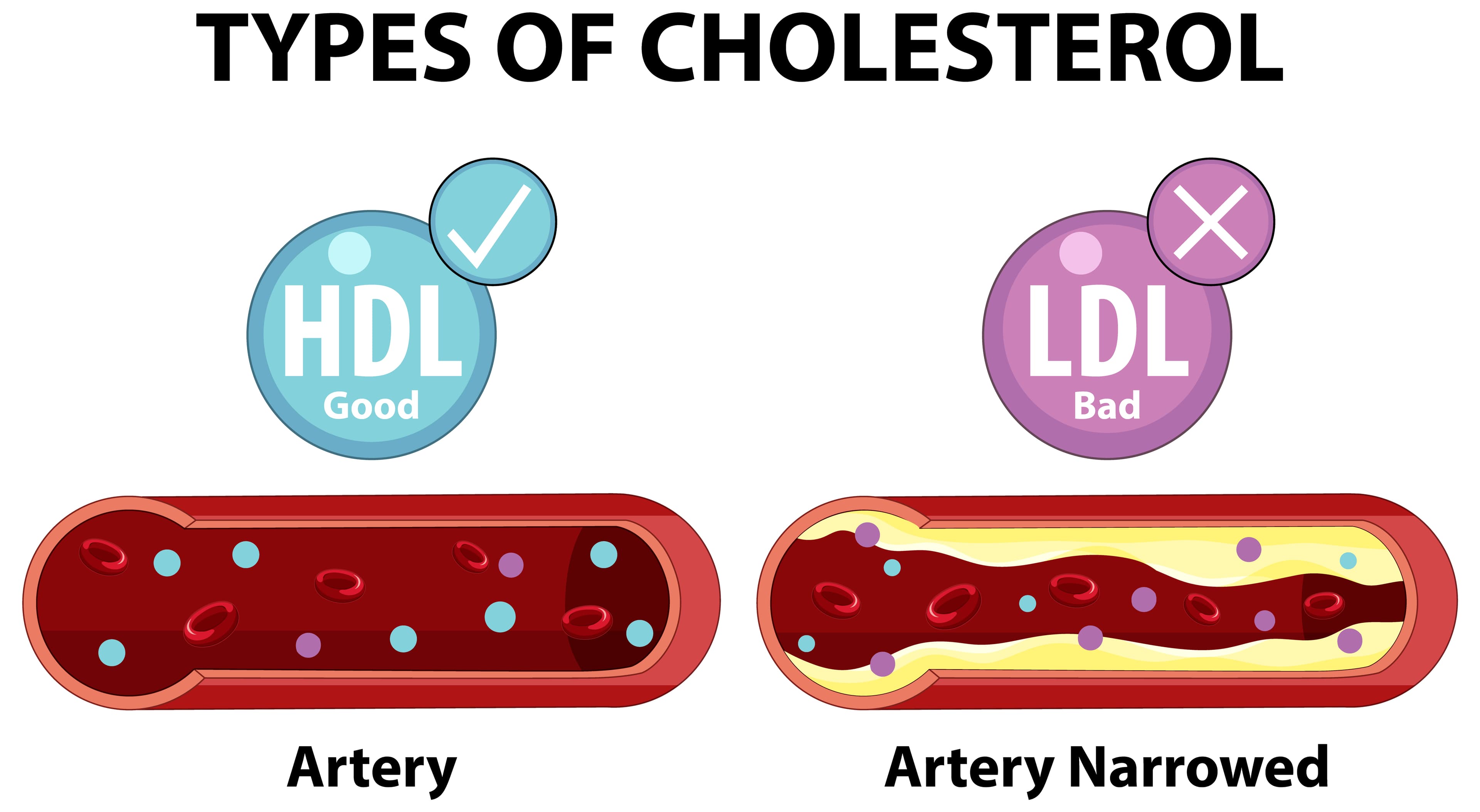
Learn how LDL and HDL cholesterol work, why both matter, and how to improve your ratio.
Why Two Types of Cholesterol?
Cholesterol cannot dissolve in blood — it must be carried by proteins called lipoproteins.
LDL (low-density lipoprotein) and HDL (high-density lipoprotein) are the two main carriers, and they move cholesterol in opposite directions.
The balance between LDL and HDL is one of the strongest predictors of cardiovascular risk.
Understanding both numbers — not just total cholesterol — gives a far more accurate picture of your heart health.
What Is LDL Cholesterol?
LDL carries cholesterol from the liver to cells throughout the body.
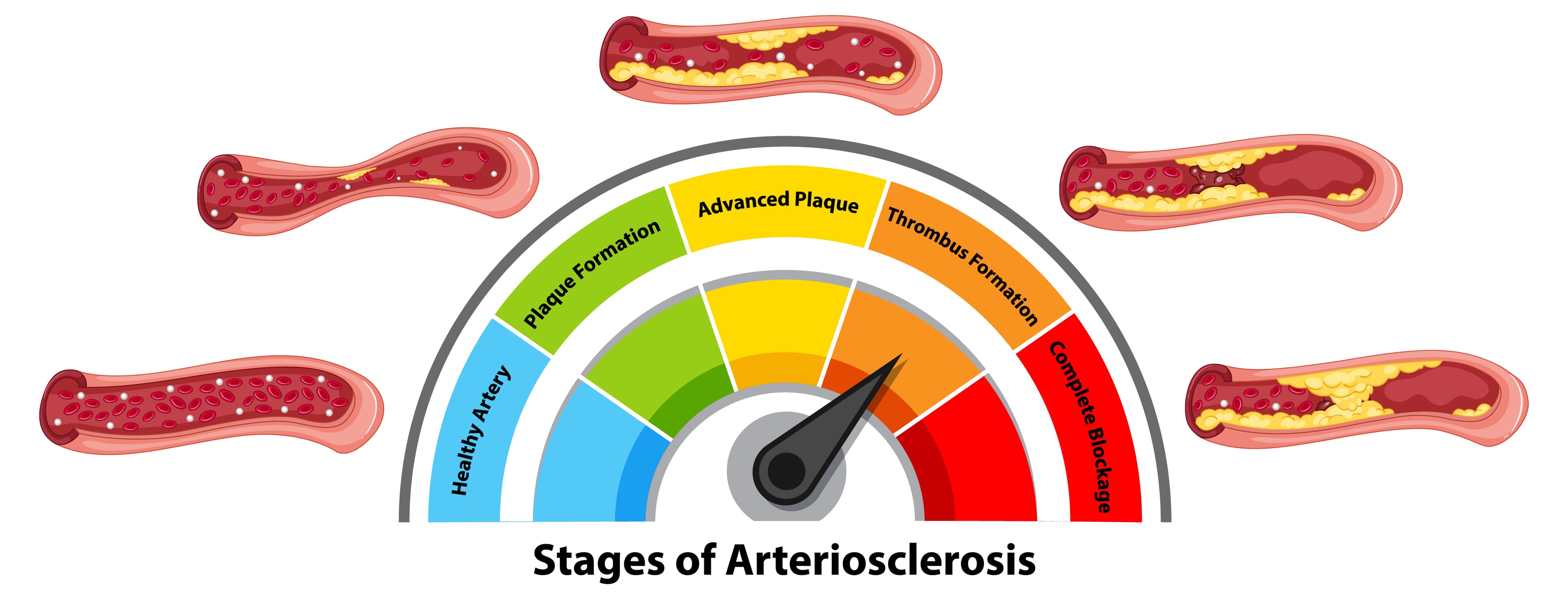
When LDL is too high, excess cholesterol deposits inside artery walls, forming plaques that narrow and harden the arteries.
This process — atherosclerosis — is the underlying cause of most heart attacks and strokes.
Optimal LDL is below 100 mg/dL; above 160 mg/dL is considered high risk.
What Is HDL Cholesterol?
HDL acts as a scavenger, picking up excess cholesterol from the bloodstream and artery walls and returning it to the liver.
Higher HDL levels are associated with lower risk of heart disease — hence it being called 'good' cholesterol.
HDL above 60 mg/dL is considered protective; below 40 mg/dL in men and 50 mg/dL in women is a risk factor.
Raising HDL through exercise and quitting smoking is one of the most impactful things you can do for heart health.
LDL-to-HDL Ratio: A Better Measure?
Total cholesterol alone can be misleading — someone with high total cholesterol may have high protective HDL.
Dividing total cholesterol by HDL gives a ratio: below 3.5 is ideal; above 5.0 signals elevated risk.
Some cardiologists also assess non-HDL cholesterol (total minus HDL) to capture all atherogenic particles.
Ask your doctor to interpret your full lipid panel, not just a single number.
How to Improve Your LDL/HDL Balance
Aerobic exercise (brisk walking, cycling, swimming) is the most consistent way to raise HDL.
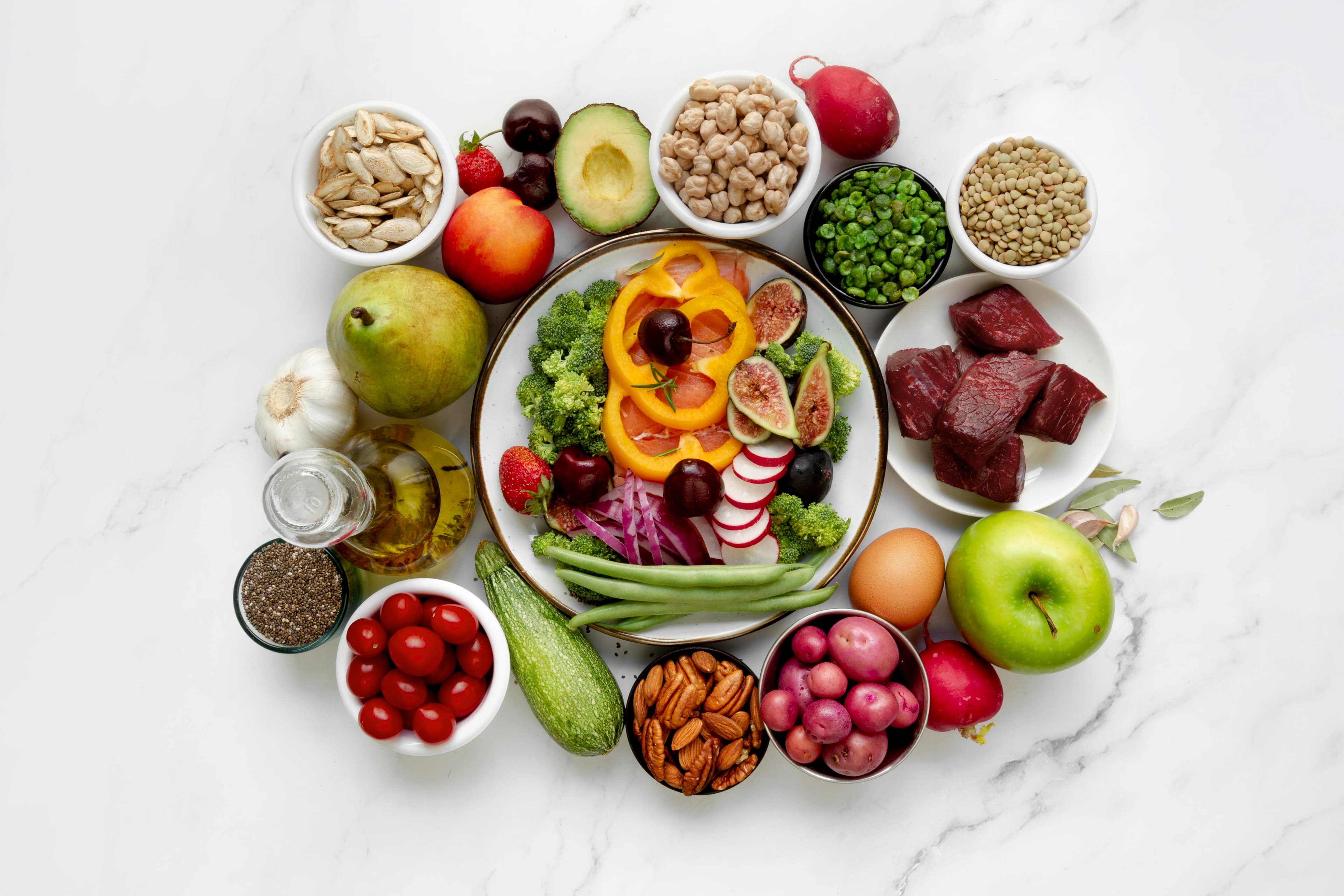
Replacing saturated fats with monounsaturated fats from olive oil and nuts lowers LDL without reducing HDL.
Quitting smoking can raise HDL by up to 10% within weeks of stopping.
If lifestyle changes are insufficient, statins and other medications can effectively lower LDL under medical supervision.
Frequently Asked Questions
Both are independent risk factors. High LDL actively deposits cholesterol in arteries, while low HDL means less removal of that cholesterol. Having both simultaneously is the most dangerous combination.
People Also Ask
What foods raise HDL quickly?
Olive oil, fatty fish (salmon, mackerel), nuts (almonds, walnuts), avocados, and regular aerobic exercise are the most evidence-backed ways to raise HDL cholesterol.
Do eggs raise LDL?
For most people, moderate egg consumption (up to 1 per day) has minimal effect on LDL. People with diabetes or familial hypercholesterolemia may be more sensitive and should discuss egg intake with their doctor.
What is a good LDL level for someone with heart disease?
For people with existing cardiovascular disease, guidelines recommend LDL below 70 mg/dL, often requiring both lifestyle changes and statin medication.
Is HDL tested in a routine blood test?
Yes. A standard lipid panel (usually part of routine blood work) includes total cholesterol, LDL, HDL, and triglycerides. It requires 9–12 hours of fasting for accurate results.