Best Foods to Lower Cholesterol Naturally
cholesterol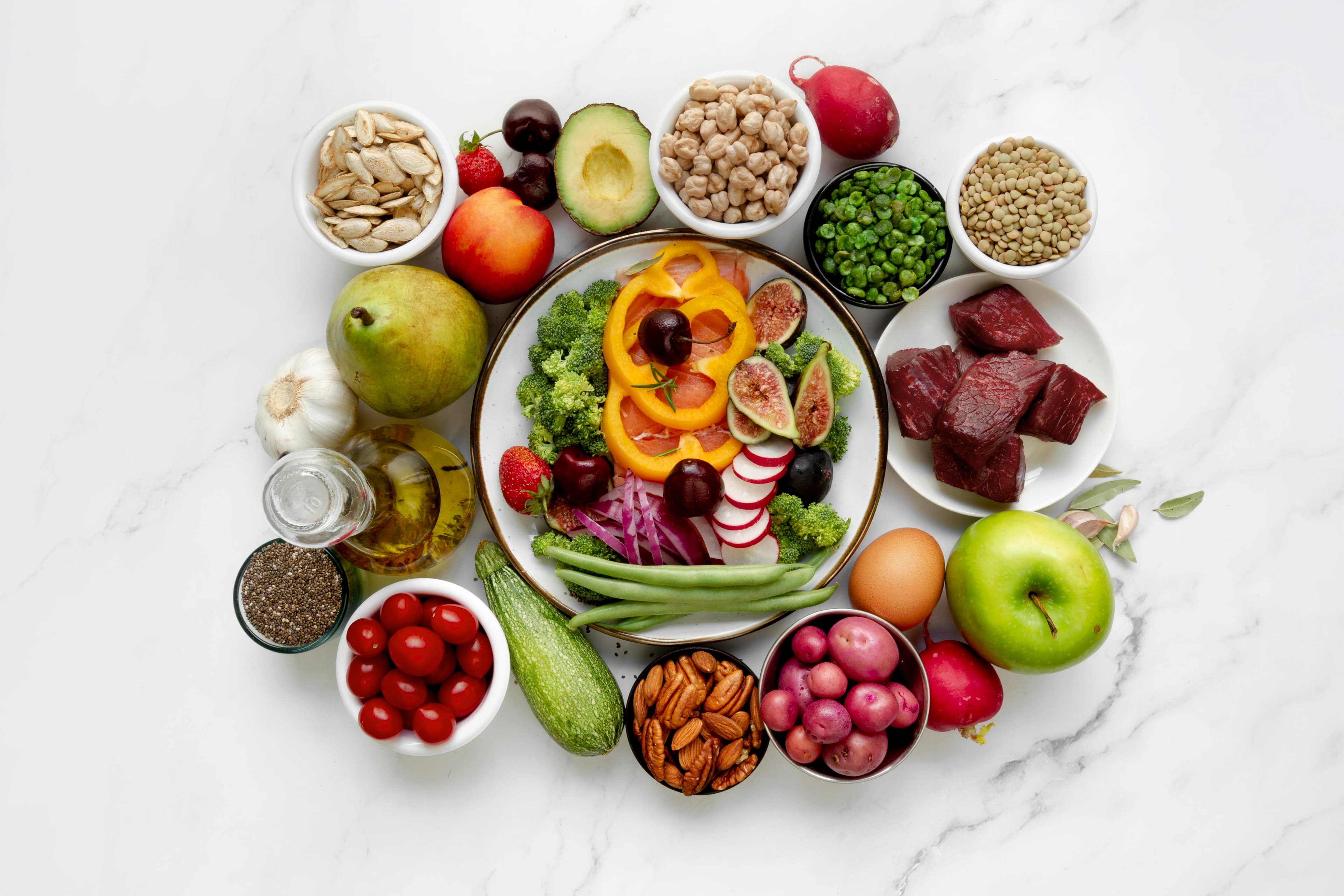
Discover the top foods that lower LDL, raise HDL, and support a heart-healthy diet.
Can Food Really Change Cholesterol?
Diet is one of the most powerful levers for managing cholesterol — the right food choices can lower LDL by 20–30% in some people.
The key mechanisms are reducing saturated fat intake, adding soluble fiber to bind cholesterol in digestion, and consuming plant sterols that block cholesterol absorption.
No single food is a magic fix, but a consistent pattern of heart-healthy eating produces measurable lipid improvements within weeks.
Combined with exercise and, where needed, medication, dietary changes form the foundation of cholesterol management.
Soluble Fiber Foods
Soluble fiber forms a gel in the gut that traps cholesterol and bile acids, preventing them from being absorbed into the bloodstream.
Oats and oat bran are among the richest sources — just one bowl of oatmeal daily can reduce LDL by 5–10%.
Other excellent sources include barley, lentils, chickpeas, kidney beans, apples, pears, and psyllium husk.
Aim for at least 5–10 grams of soluble fiber per day for meaningful cholesterol-lowering effects.
Healthy Fats That Help
Replacing saturated fats with monounsaturated fats lowers LDL without reducing protective HDL.
Olive oil — especially extra-virgin — contains oleic acid and polyphenols with anti-inflammatory, anti-atherogenic properties.
Avocados are rich in monounsaturated fat and beta-sitosterol, a plant sterol that directly inhibits cholesterol absorption.
Fatty fish (salmon, sardines, mackerel) provide omega-3 fatty acids that lower triglycerides and raise HDL.
Nuts, Seeds, and Plant Sterols
Walnuts, almonds, and pistachios contain fiber, unsaturated fat, and plant sterols that collectively reduce LDL.
A handful of nuts (about 30g) per day is associated with a 5% reduction in LDL in clinical trials.
Flaxseeds and chia seeds add soluble fiber and alpha-linolenic acid, a plant-based omega-3.
Plant sterol-enriched foods (certain margarines, yogurts) provide a concentrated dose — 2g of plant sterols daily can lower LDL by up to 10%.
Foods to Limit or Avoid
Saturated fats from red meat, full-fat dairy, butter, and coconut oil raise LDL most directly.
Trans fats (partially hydrogenated oils in some packaged foods) both raise LDL and lower HDL — the worst combination for heart health.
Refined carbohydrates and added sugars raise triglycerides and lower HDL over time.
Processed meats like sausage and deli meat combine saturated fat with high sodium, compounding cardiovascular risk.
Frequently Asked Questions
Oats consistently show the strongest LDL-lowering effect in clinical research, largely due to beta-glucan soluble fiber. However, combining oats with other heart-healthy foods produces far greater results than any single food alone.
People Also Ask
Is rice bad for cholesterol?
White rice in large amounts raises triglycerides and may lower HDL over time due to its high glycemic index. Switching to brown rice adds fiber and has a more neutral effect on lipids.
Does coffee affect cholesterol?
Unfiltered coffee (French press, espresso, Turkish) contains cafestol and kahweol, compounds that raise LDL. Filtered coffee removes most of these, making it the safer choice for cholesterol management.
Is coconut oil good or bad for cholesterol?
Coconut oil is very high in saturated fat and raises LDL significantly. Despite its popularity, it is not recommended as a heart-healthy fat by major cardiovascular health organizations.
What is the Mediterranean diet and does it help cholesterol?
The Mediterranean diet emphasizes olive oil, fish, legumes, vegetables, and whole grains — the same food groups most supported by cholesterol research. It is consistently associated with lower LDL and reduced cardiovascular events in long-term studies.